.svg)


About Us
TNEA Counselling Code 2725 | For Admission : +91-75987 41852
.svg)


.svg)

The Department of Science & Humanities at Sri Ramakrishna Institute of Technology (SRIT) provides a strong foundation in Mathematics, Physics, Chemistry, English, and Tamil to first-year engineering students. The department is committed to academic excellence through quality teaching, research, and innovation, fostering analytical thinking, communication skills, and scientific temperament. With experienced faculty members and a recognized Research Centre in Physics and Mathematics, the department plays a vital role in preparing students for successful engineering education and lifelong learning. The department also hosts a Research Centre in Mathematics and Physics.
.webp)
Apply the knowledge of mathematics, science,engineering fundamentals, and an engineering specialisation for the solution of complex engineering problems.
Identify, formulate, research literature, and analyse complex engineering problems reaching substantiated conclusions using first principles of mathematics, natural sciences, and engineering sciences.
Design solutions for complex engineering problems and design system components or processes that meet t h e specified needs with appropriate consideration for public health and safety, and cultural, societal, and environmental considerations.
Use research-based knowledge and research methods including design of experiments, analysis and interpretation of data, and synthesis of the information to provide valid conclusions.
Create, select, and apply appropriate techniques, resources, and modern engineering and IT tools, including prediction and modelling to complex engineering activities, with an understanding of the limitations.
Apply reasoning informed by the contextual knowledge to assess societal, health, safety, legal, and cultural issues and the consequent responsibilities relevant to the professional engineering practice.
Understand the impact of the professional engineering solutions in societal and environmental contexts, and demonstrate the knowledge of, and need for sustainable development.
Apply ethical principles and commit to professional ethics and responsibilities and norms of the engineering practice.
Function effectively as an individual, and as a member or leader in diverse teams, and in multidisciplinary settings.
Communicate effectively on complex engineering activities with the engineering community and with t h e society at large, such as, being able to comprehend and write effective reports and design documentation, make effective presentations, and give and receive clear instructions.
Demonstrate knowledge and understanding of t h e engineering and management principles and apply these to one’s own work, as a member and leader in a team, to manage projects and in multidisciplinary environments.
Recognise the need for, and have the preparation and ability to engage in independent and life-long learning in the broadest context of technological change.
Apply the knowledge of mathematics, science,engineering fundamentals, and an engineering specialisation for the solution of complex engineering problems.
Identify, formulate, research literature, and analyse complex engineering problems reaching substantiated conclusions using first principles of mathematics, natural sciences, and engineering sciences.
Design solutions for complex engineering problems and design system components or processes that meet t h e specified needs with appropriate consideration for public health and safety, and cultural, societal, and environmental considerations.
Use research-based knowledge and research methods including design of experiments, analysis and interpretation of data, and synthesis of the information to provide valid conclusions.
Create, select, and apply appropriate techniques, resources, and modern engineering and IT tools, including prediction and modelling to complex engineering activities, with an understanding of the limitations.
Apply reasoning informed by the contextual knowledge to assess societal, health, safety, legal, and cultural issues and the consequent responsibilities relevant to the professional engineering practice.
Understand the impact of the professional engineering solutions in societal and environmental contexts, and demonstrate the knowledge of, and need for sustainable development.
Apply ethical principles and commit to professional ethics and responsibilities and norms of the engineering practice.
Function effectively as an individual, and as a member or leader in diverse teams, and in multidisciplinary settings.
Communicate effectively on complex engineering activities with the engineering community and with t h e society at large, such as, being able to comprehend and write effective reports and design documentation, make effective presentations, and give and receive clear instructions.
Demonstrate knowledge and understanding of t h e engineering and management principles and apply these to one’s own work, as a member and leader in a team, to manage projects and in multidisciplinary environments.
Recognise the need for, and have the preparation and ability to engage in independent and life-long learning in the broadest context of technological change.
Apply core knowledge of Computer Science and Engineering and modern computing technologies to solve complex engineering problems.
Create innovative computing solutions using multidisciplinary knowledge and modern engineering tools to address societal, industrial and environmental challenges for sustainable development.
Demonstrate professional and ethical responsibilities through lifelong learning, teamwork and effective communication to adapt to emerging technologies for the benefit of society and the profession.
Graduates of computer science and engineering who effectively demonstrate engineering knowledge and entrepreneurial skills by providing practical solutions.
Graduates of computer science and engineering who effectively demonstrate professionalism in multi- disciplinary engineering environment, leadership quality and teamwork.
Graduates of computer science and engineering who make contributions to knowledge and establish best engineering practice through research and development.
Graduates of computer science and engineering who demonstrate an ethical commitment to the community and the profession through involvement with professional organizations and society.
Graduates of computer science and engineering who engage in life-long learning as demonstrated through career advancement.
.webp)
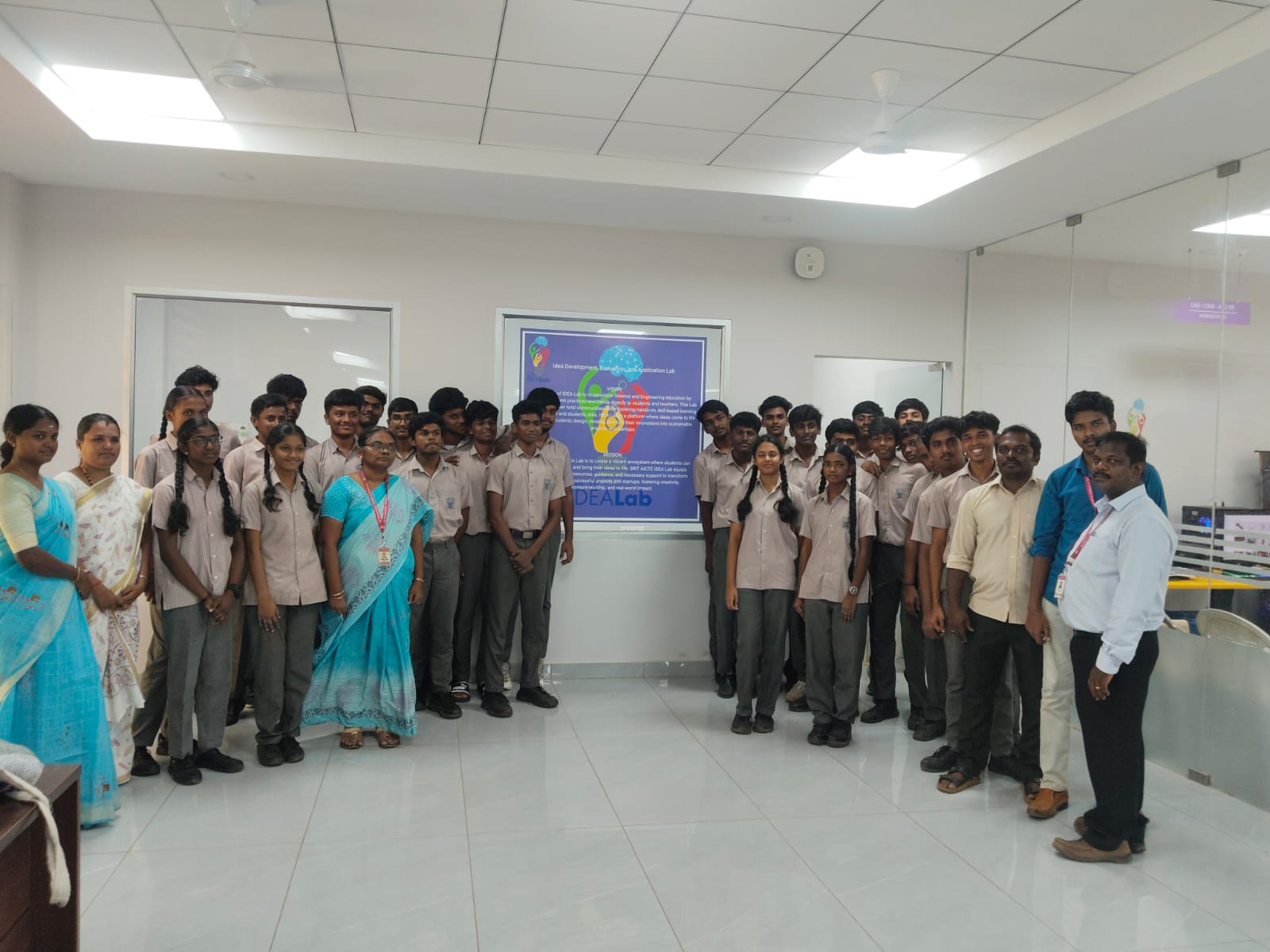
All first-year students receive hands-on training in the IDEA Lab as an integral part of their academic curriculum. The sessions foster innovation, design thinking, problem-solving, and practical engineering skills through experiential learning.
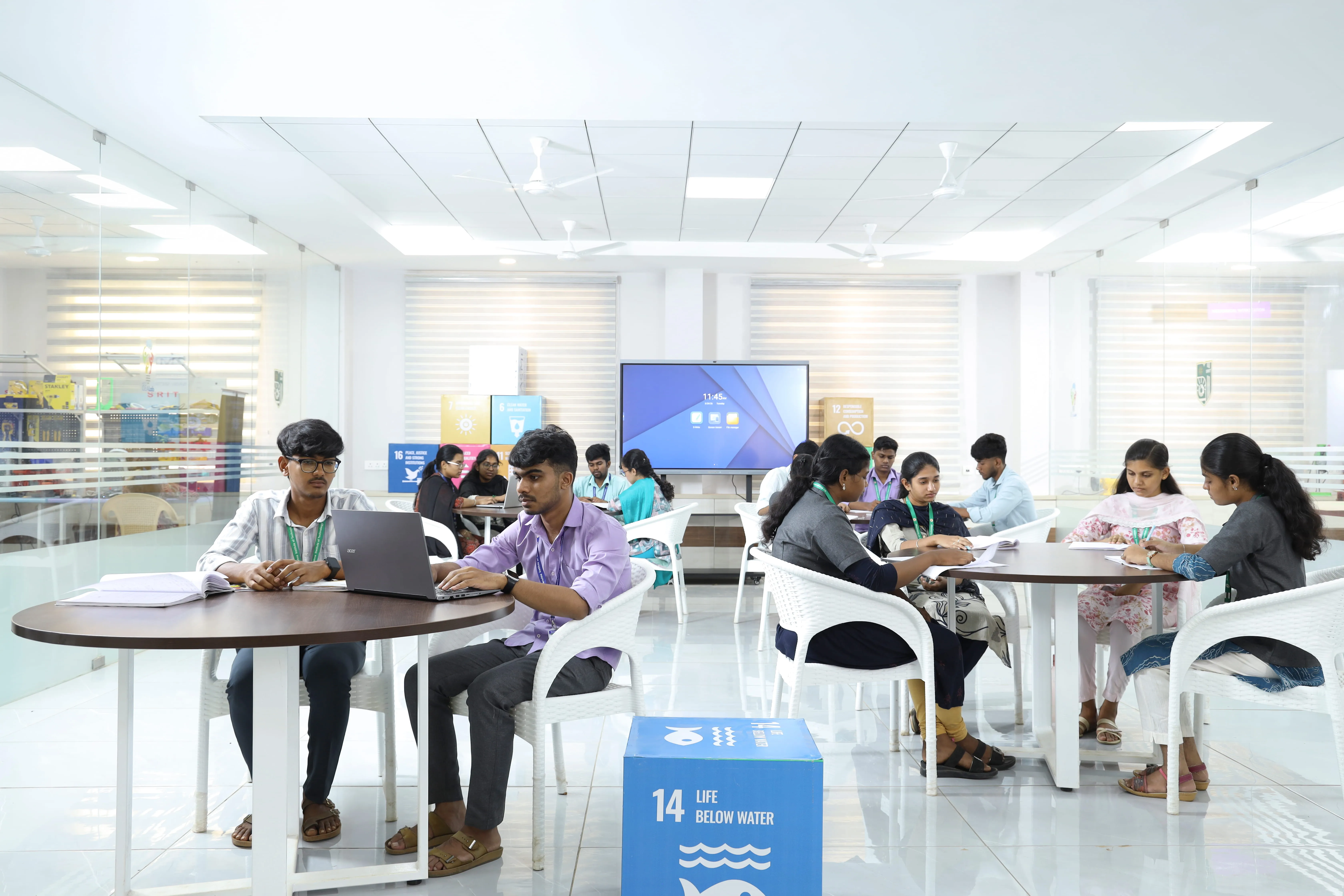
Every first-year student undergoes structured MATLAB training integrated into all Mathematics courses. Conducted as dedicated laboratory sessions, the program strengthens computational thinking, mathematical modelling, data visualization, and problem-solving skills essential for engineering applications.


.svg)



.svg)

.svg)



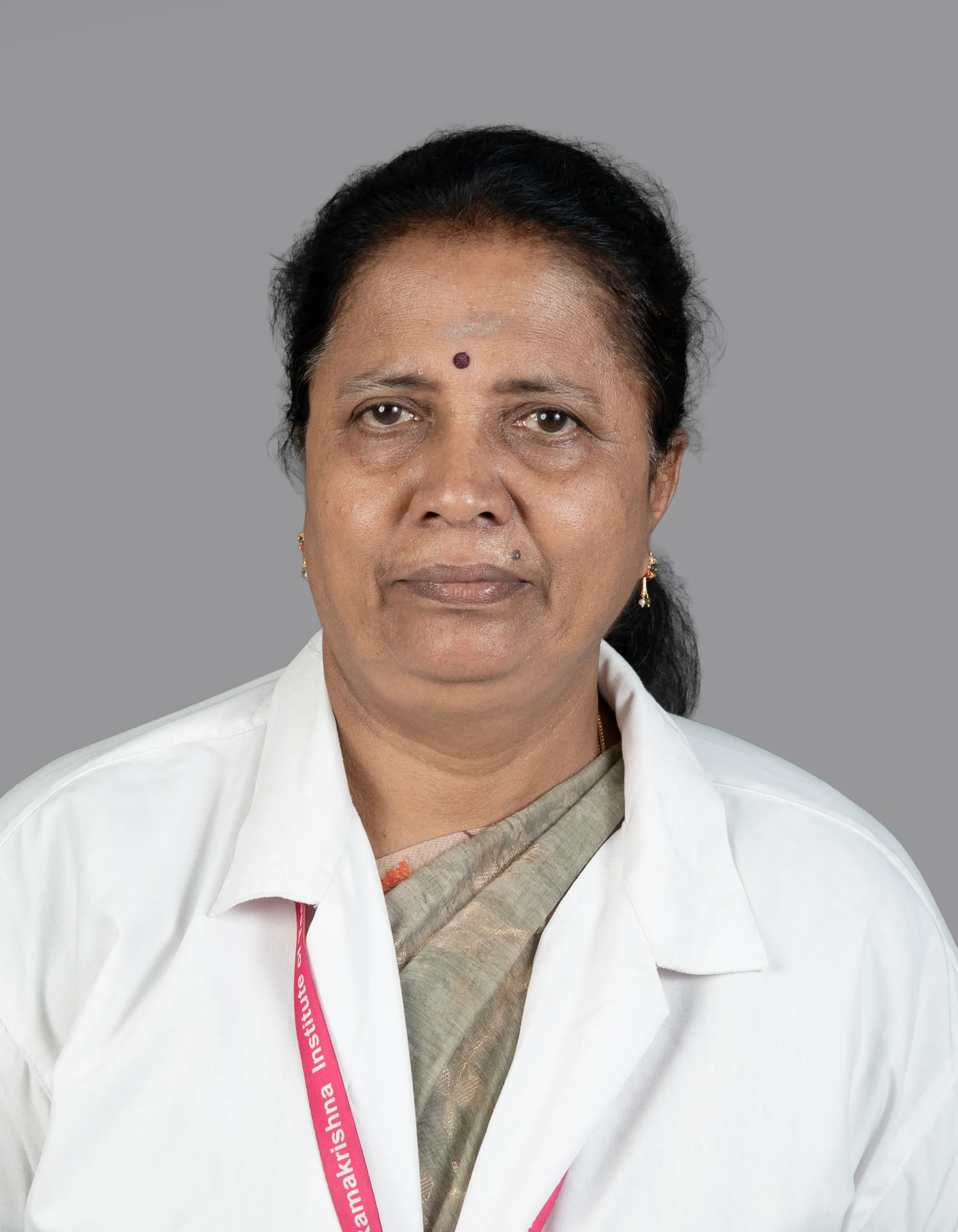
The Head of the Department of Science and Humanities, is a dedicated academician committed to fostering excellence in teaching, research, and innovation. Under her visionary leadership, the department has evolved into a vibrant academic hub that nurtures both intellectual growth and professional development. Read More





.webp)



.svg)
.svg)
.svg)
.svg)

Apply the knowledge of mathematics, science,engineering fundamentals, and an engineering specialisation for the solution of complex engineering problems.
Identify, formulate, research literature, and analyse complex engineering problems reaching substantiated conclusions using first principles of mathematics, natural sciences, and engineering sciences.
Design solutions for complex engineering problems and design system components or processes that meet the specified needs with appropriate consideration for public health and safety, and cultural, societal, and environmental considerations.
Use research-based knowledge and research methods including design of experiments, analysis and interpretation of data, and synthesis of the information to provide valid conclusions.
Create, select, and apply appropriate techniques, resources, and modern engineering and IT tools including prediction and modelling to complex engineering activities with an understanding of the limitations.
Apply reasoning informed by the contextual knowledge to assess societal, health, safety, legal, and cultural issues and the consequent responsibilities relevant to the professional engineering practice.
Understand the impact of the professional engineering solutions in societal and environmental contexts, and demonstrate the knowledge of, and the need for sustainable development.
Apply ethical principles and commit to professional ethics and responsibilities and norms of the engineering practice.
Function effectively as an individual, and as a member or leader in diverse teams, and in multidisciplinary settings.
Communicate effectively on complex engineering activities with the engineering community and with the society at large, such as being able to comprehend and write effective reports and design documentation, make effective presentations, and give and receive clear instructions
Demonstrate knowledge and understanding of the engineering and management principles and apply these to one’s work, as a member and leader in a team, to manage projects and in multidisciplinary environments.
Apply core knowledge of Computer Science and Engineering and modern computing technologies to solve complex engineering problems.
Create innovative computing solutions using multidisciplinary knowledge and modern engineering tools to address societal, industrial and environmental challenges for sustainable development.
Demonstrate professional and ethical responsibilities through lifelong learning, teamwork and effective communication to adapt to emerging technologies for the benefit of society and the profession.
Graduates of computer science and engineering who effectively demonstrate engineering knowledge and entrepreneurial skills by providing practical solutions.
Graduates of computer science and engineering who effectively demonstrate professionalism in multi- disciplinary engineering environment, leadership quality and teamwork.
Graduates of computer science and engineering who make contributions to knowledge and establish best engineering practice through research and development.
Graduates of computer science and engineering who demonstrate an ethical commitment to the community and the profession through involvement with professional organizations and society.
Graduates of computer science and engineering who engage in life-long learning as demonstrated through career advancement.


.svg)










.webp)
.svg)


.jpg)

.webp)

.jpg)
.jpeg)