.svg)


About Us
TNEA Counselling Code 2725 | For Admission : +91-75987 41852
.svg)


.svg)
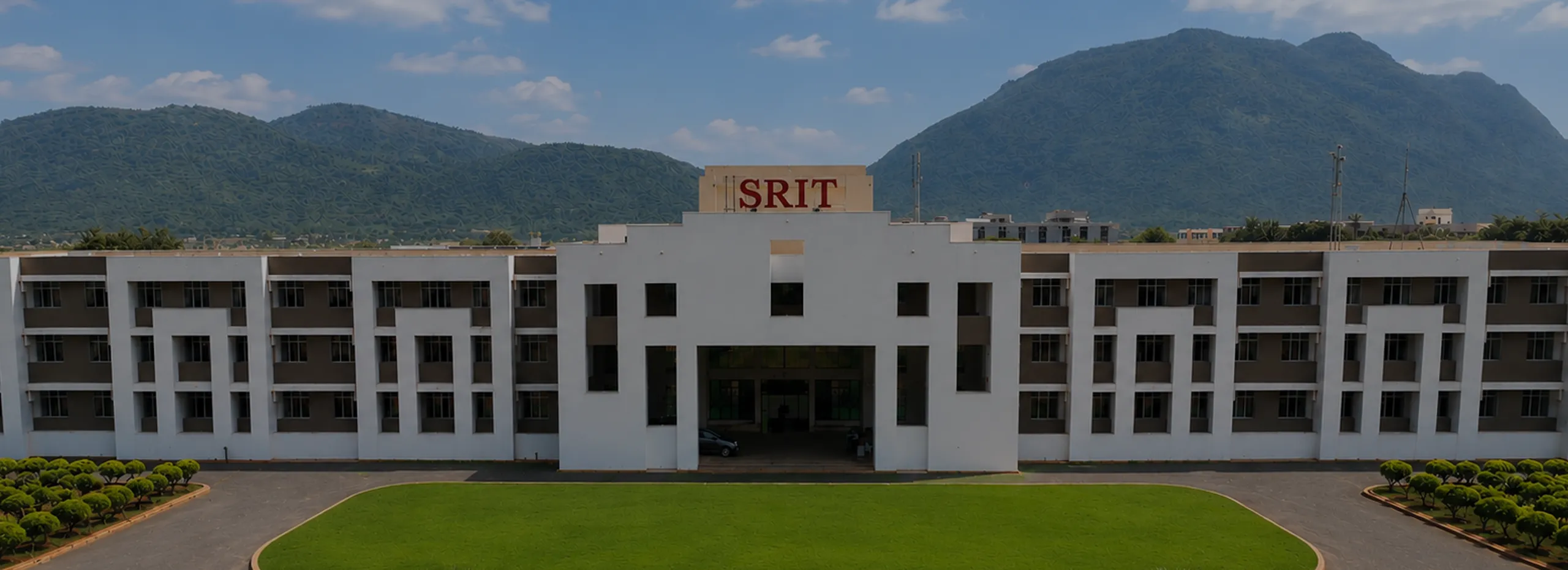
The M.E. Power Systems Engineering postgraduate programme was introduced in 2013. The programme covers advanced concepts in power generation, transmission, distribution and energy management. The department is a recognised research centre of Anna University since 2015. The department has successfully completed two consultancy projects with more projects in progress, focusing on emerging areas including Smart Grid, Renewable Energy Systems and Control and Instrumentation.
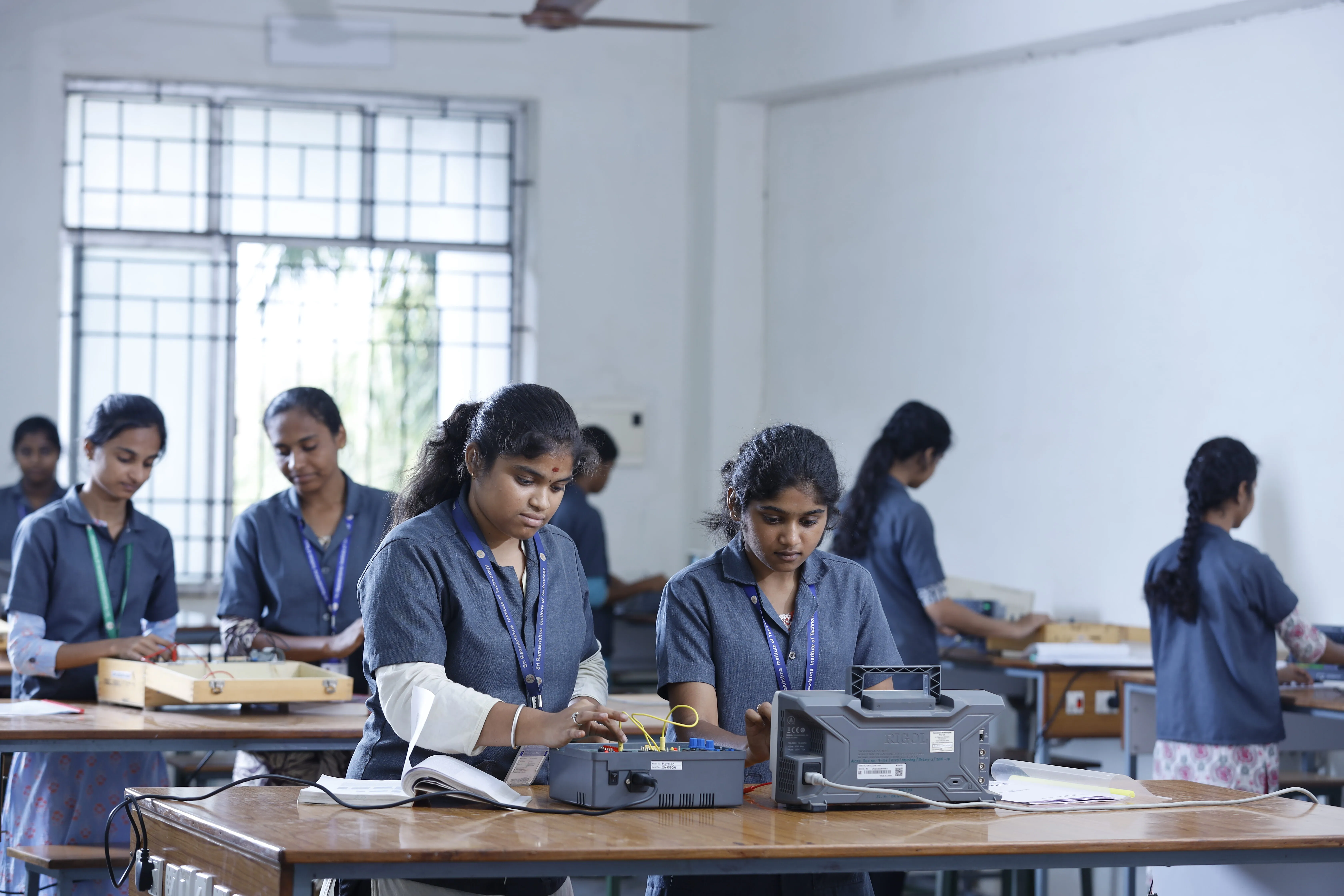
Graduates of EEE program effectively demonstrate electrical and electronics engineering knowledge and entrepreneurial skills by providing practical solution
Graduates of EEE program effectively demonstrate professionalism in multi- disciplinary engineering environment, leadership quality and teamwork.
Graduates of EEE program make contributions to knowledge and establish best engineering practice through research and development.
Graduates of EEE program demonstrate an ethical commitment to the community and the profession through involvement with professional organizations and society.
Graduates of EEE program engage in life-long learning as demonstrated through career advancement.
Apply knowledge of mathematics, natural science, computing, engineering fundamentals and an engineering specialization as specified in WK1 to WK4 respectively to develop to the solution of complex engineering problems.
Identify, formulate, review research literature and analyze complex engineering problems reaching substantiated conclusions with consideration for sustainable development. (WK1 to WK4)
Design creative solutions for complex engineering problems and design/develop systems/components/processes to meet identified needs with consideration for the public health and safety, whole-life cost, net zero carbon, culture, society and environment as required. (WK5)
Conduct investigations of complex engineering problems using research-based knowledge including design of experiments, modelling, analysis & interpretation of data to provide valid conclusions. (WK8).
Create, select and apply appropriate techniques, resources and modern engineering & IT tools, including prediction and modelling recognizing their limitations to solve complex engineering problems. (WK2 and WK6)
Analyze and evaluate societal and environmental aspects while solving complex engineering problems for its impact on sustainability with reference to economy, health, safety, legal framework, culture and environment. (WK1, WK5, and WK7).
Apply ethical principles and commit to professional ethics, human values, diversity and inclusion; adhere to national & international laws. (WK9)
Function effectively as an individual, and as a member or leader in diverse/multi-disciplinary teams.
Function effectively as an individual, and as a member or leader in diverse teams, and in multidisciplinary settings.
Apply knowledge and understanding of engineering management principles and economic decision-making and apply these to one’s own work, as a member and leader in a team, and to manage projects and in multidisciplinary environments.
Recognize the need for, and have the preparation and ability for i) independent and life-long learning ii) adaptability to new and emerging technologies and iii) critical thinking in the broadest context of technological change. (WK8)
A systematic, theory-based understanding of the natural sciences applicable to the discipline and awareness of relevant social sciences.
Conceptually-based mathematics, numerical analysis, data analysis, statistics and formal aspects of computer and information science to support detailed analysis and modelling applicable to the discipline.
A systematic, theory-based formulation of engineering fundamentals required in the engineering discipline.
Engineering specialist knowledge that provides theoretical frameworks and bodies of knowledge for the accepted practice areas in the engineering discipline; much is at the forefront of the discipline.
Knowledge, including efficient resource use, environmental impacts, whole-life cost, re-use of resources, net zero carbon, and similar concepts, that supports engineering design and operations in a practice area.
Knowledge of engineering practice (technology) in the practice areas in the engineering discipline.
Knowledge of the role of engineering in society and identified issues in engineering practice in the discipline, such as the professional responsibility of an engineer to public safety and sustainable development.
Engagement with selected knowledge in the current research literature of the discipline, awareness of the power of critical thinking and creative approaches to evaluate emerging issues.
Ethics, inclusive behavior and conduct. Knowledge of professional ethics, responsibilities, and norms of engineering practice. Awareness of the need for diversity by reason of ethnicity, gender, age, physical ability etc. with mutual understanding and respect, and of inclusive attitudes.
A systematic, theory-based understanding of the natural sciences applicable to the discipline and awareness of relevant social sciences.
Conceptually-based mathematics, numerical analysis, data analysis, statistics and formal aspects of computer and information science to support detailed analysis and modelling applicable to the discipline.
A systematic, theory-based formulation of engineering fundamentals required in the engineering discipline.
Engineering specialist knowledge that provides theoretical frameworks and bodies of knowledge for the accepted practice areas in the engineering discipline; much is at the forefront of the discipline.
Knowledge, including efficient resource use, environmental impacts, whole-life cost, re-use of resources, net zero carbon, and similar concepts, that supports engineering design and operations in a practice area.
Knowledge of engineering practice (technology) in the practice areas in the engineering discipline.
Knowledge of the role of engineering in society and identified issues in engineering practice in the discipline, such as the professional responsibility of an engineer to public safety and sustainable development.
Engagement with selected knowledge in the current research literature of the discipline, awareness of the power of critical thinking and creative approaches to evaluate emerging issues.
Ethics, inclusive behavior and conduct. Knowledge of professional ethics, responsibilities, and norms of engineering practice. Awareness of the need for diversity by reason of ethnicity, gender, age, physical ability etc. with mutual understanding and respect, and of inclusive attitudes.

Ability to apply Mathematics, Science, Electrical and Electronics knowledge to solve engineering problems in the field of Electrical and Electronic Circuits, Electrical Instrumentation, Signal Processing, Power Systems, Power Electronics, Electrical Drives and Energy Utilization.
Ability to design and analyze controllable, reliable and sustainable Electrical and Electronic Systems using Mathematical Models, Computer Systems and Software Knowledge.
Ability to develop and implement integrated solutions combining electric vehicle technology, green energy systems, energy storage, and grid communication within smart grid frameworks to create sustainable, intelligent, and resilient power infrastructure.
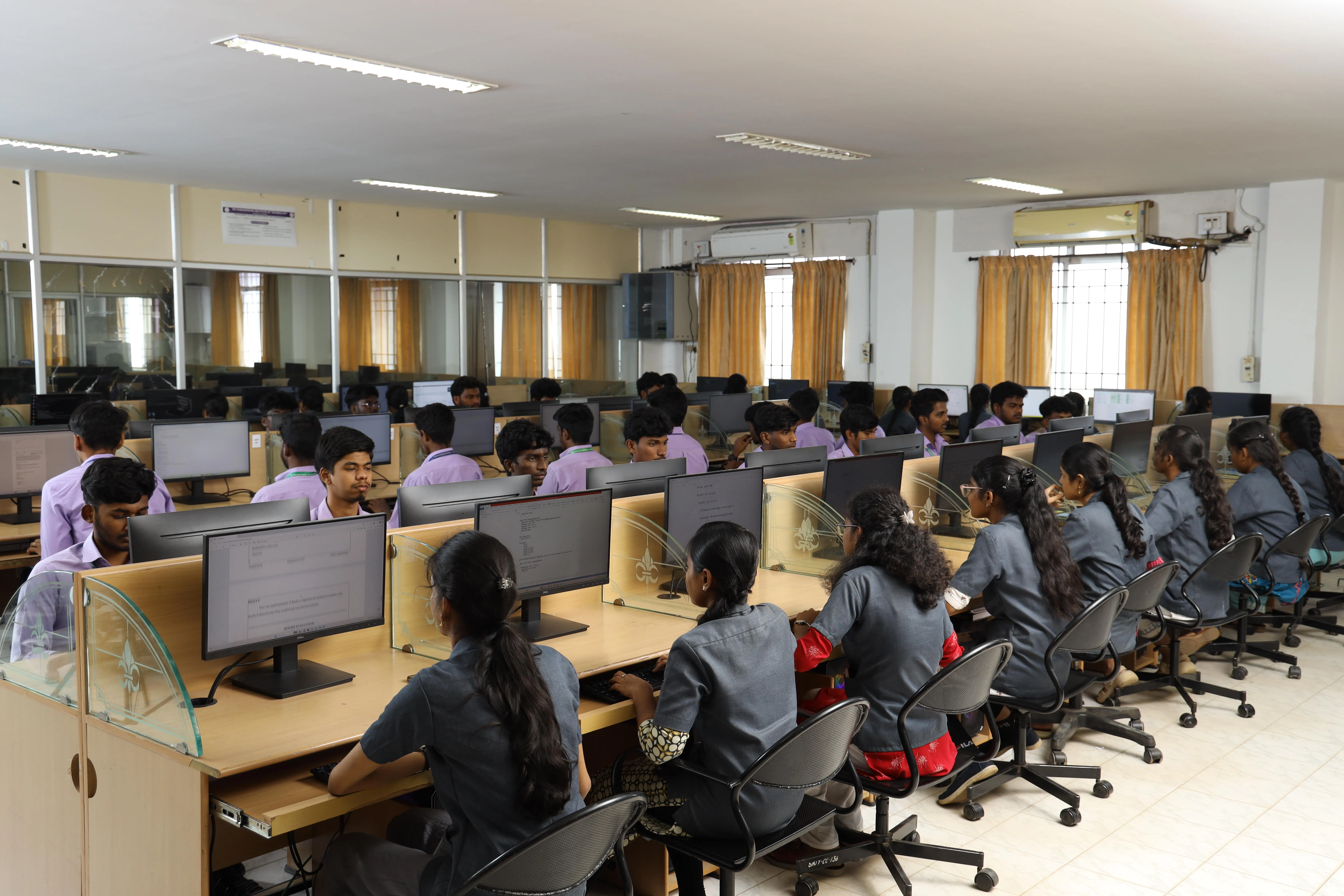
PG students and research scholars have access to the Power System Simulation Lab equipped with ETAP for load flow analysis and transient stability, PSCAD, LABVIEW and MATLAB software. The Solar Lab with 1KW solar panel and charge controller supports renewable energy research projects.
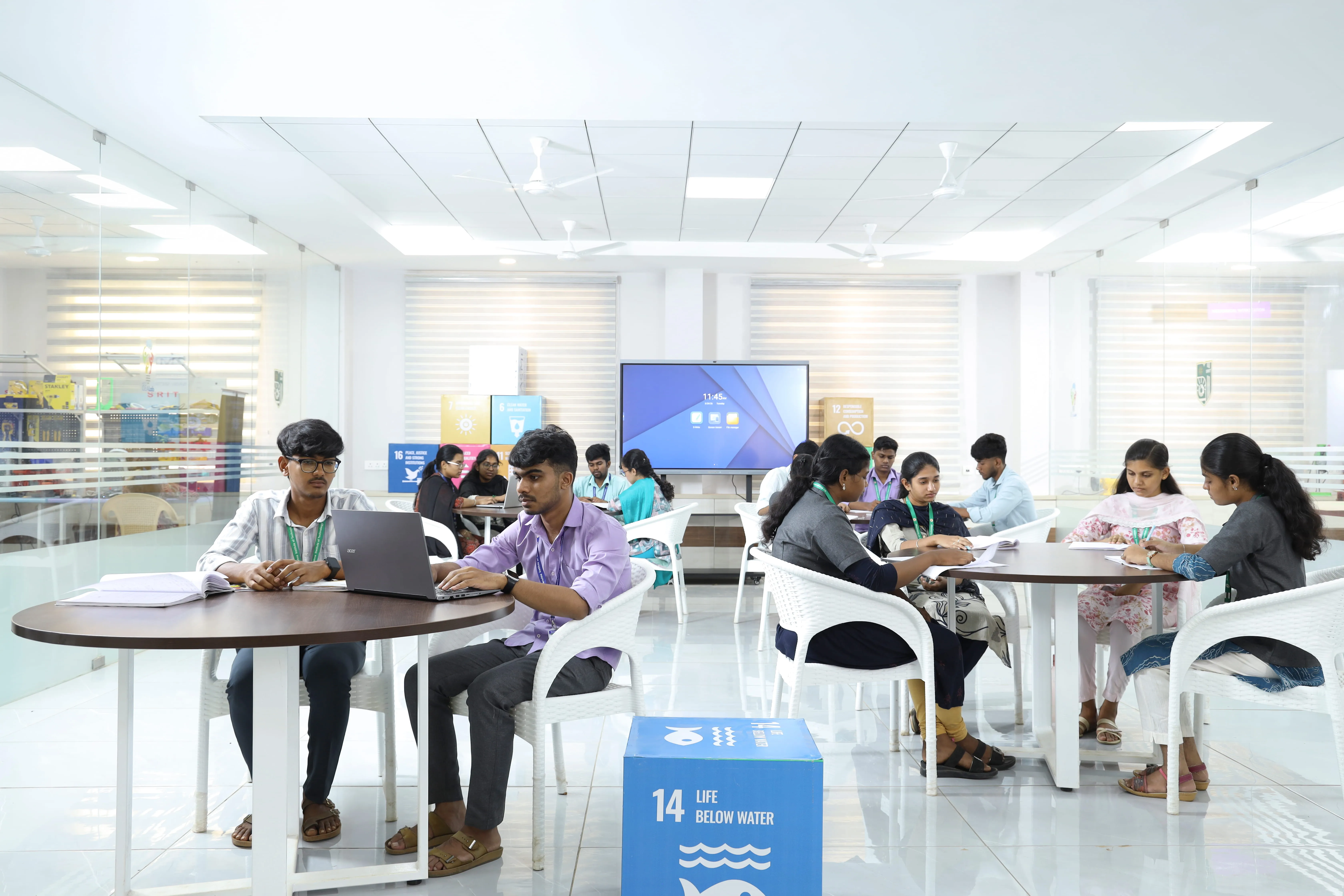
The department library has approximately 350 books covering power systems, electrical machines and control systems. Project reports, laboratory manuals and university question papers are available to support PG research and study.


.svg)



.svg)

.svg)



The department was formed with the primary objective of providing world class education in Electrical Engineering. The department focuses on bridging the gap between campus education and industry needs through internships, guest lectures, workshops and funded research projects.


.webp)


.svg)
.svg)
.svg)
.svg)
.svg)












.jpg)
.webp)
.svg)
.webp)
.jpg)
.jpeg)